About
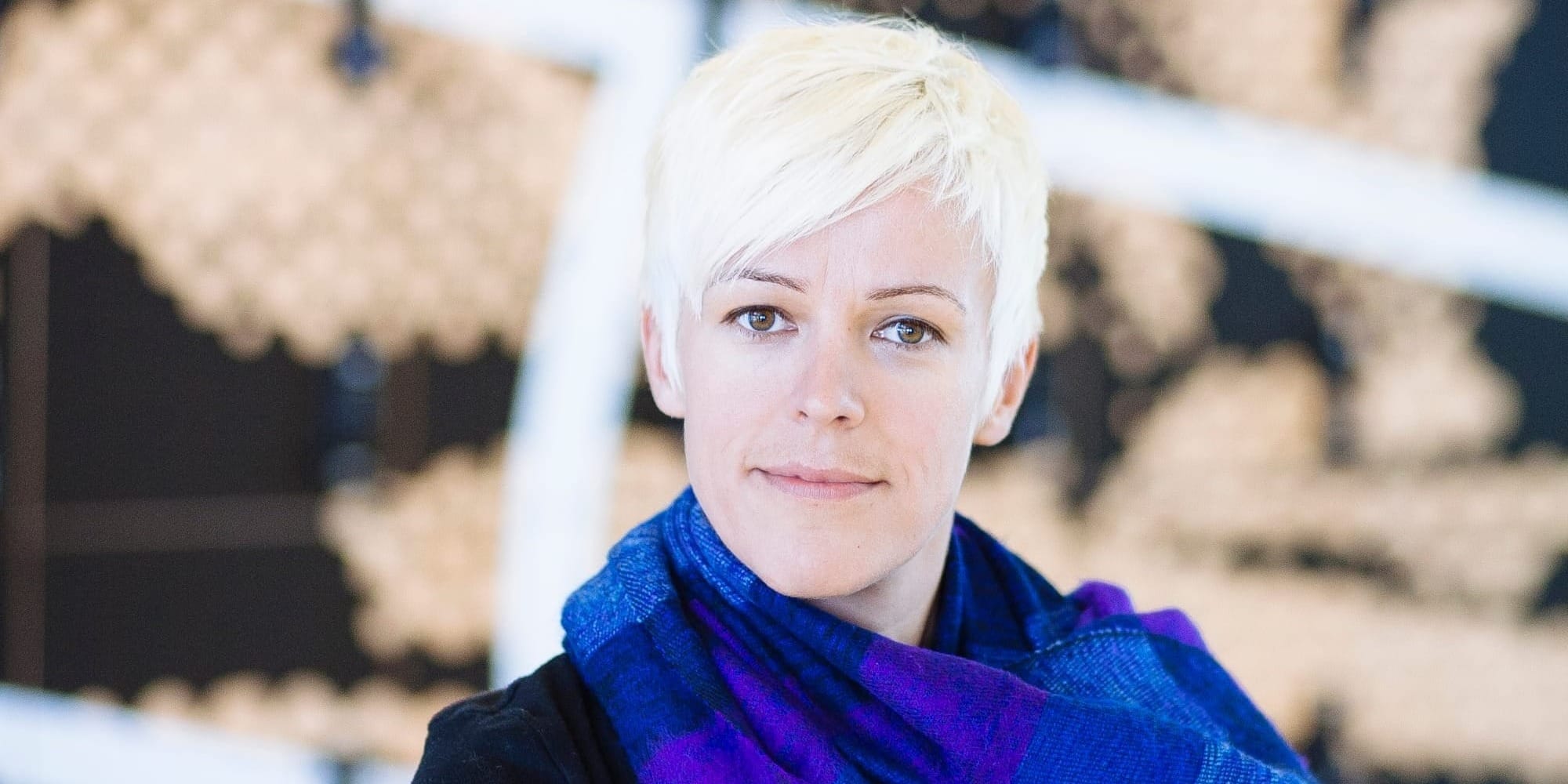
I've spent my career trying to understand why some change lasts and some doesn't.
It started with eight years working for the UN system — UNICEF, UNESCO — on youth empowerment programmes. I watched well-intentioned initiatives come and go. Funding cycles ended, people moved on, and the work disappeared with them. I kept asking: what would it take for this to stick?
That question led me somewhere unexpected. I enrolled at Central Saint Martins to study product design — which my colleagues thought was mad. But I wanted to understand how things get made. How ideas become tangible. How you build something that works beyond its creator.
Twenty-five years, five transformations
In 2001, I joined a toy company in Denmark. Twenty-five years later, I'm still there — though it's barely the same organisation. When I arrived, the company was heading toward bankruptcy: 8 billion DKK in revenue, 3,000 employees, fighting for survival. Today it's a 74 billion DKK global business with over 31,000 people. I've held seven leadership roles across functions that often didn't exist until I built them.
I was there for the near-death experience. I watched the turnaround from inside the room. And I've been part of five subsequent step-changes in scale — each one demanding different capabilities, different infrastructure, different leadership.
What I've learned is this: transformation isn't one thing. What works at 3,000 people breaks at 10,000. What scales to 20,000 needs rebuilding at 30,000. The companies I've worked for share a name and a purpose, but almost nothing else. That's given me something rare — an intimate understanding of what change looks like at every stage of growth, and why most of it doesn't stick.
Build it so it works without you
The pattern in my career has been consistent: build the capability, make it work without me, move on. Experience design. Consumer insights. A learning institute that had been gutted. Digital transformation. Sustainable materials. Diversity and inclusion. Marketing experimentation at scale. Each time, the test is the same: if everyone who built this left tomorrow, would it keep working?
In 2012, I completed an Executive MBA through the TRIUM programme — LSE, HEC Paris, NYU Stern. People assume designers don't understand business. I wanted to prove them wrong, definitively.
What's next
Now I write about what makes change stick. About the gap between strategy and the reality of making it work. About what leaders actually need to do differently — not the theory, but the practice.
In October 2026, I'm stepping out to do this work independently. After twenty-five years inside one organisation that became many, it's time to bring what I've learned to a wider conversation.
Want to keep the conversation going? Subscribe to The Tenon for regular writing or say hello directly.